Which Tent Really Fits Your Group: Duplex Comfort or Single-Room Simplicity?
The problem: too many bodies, too many expectations
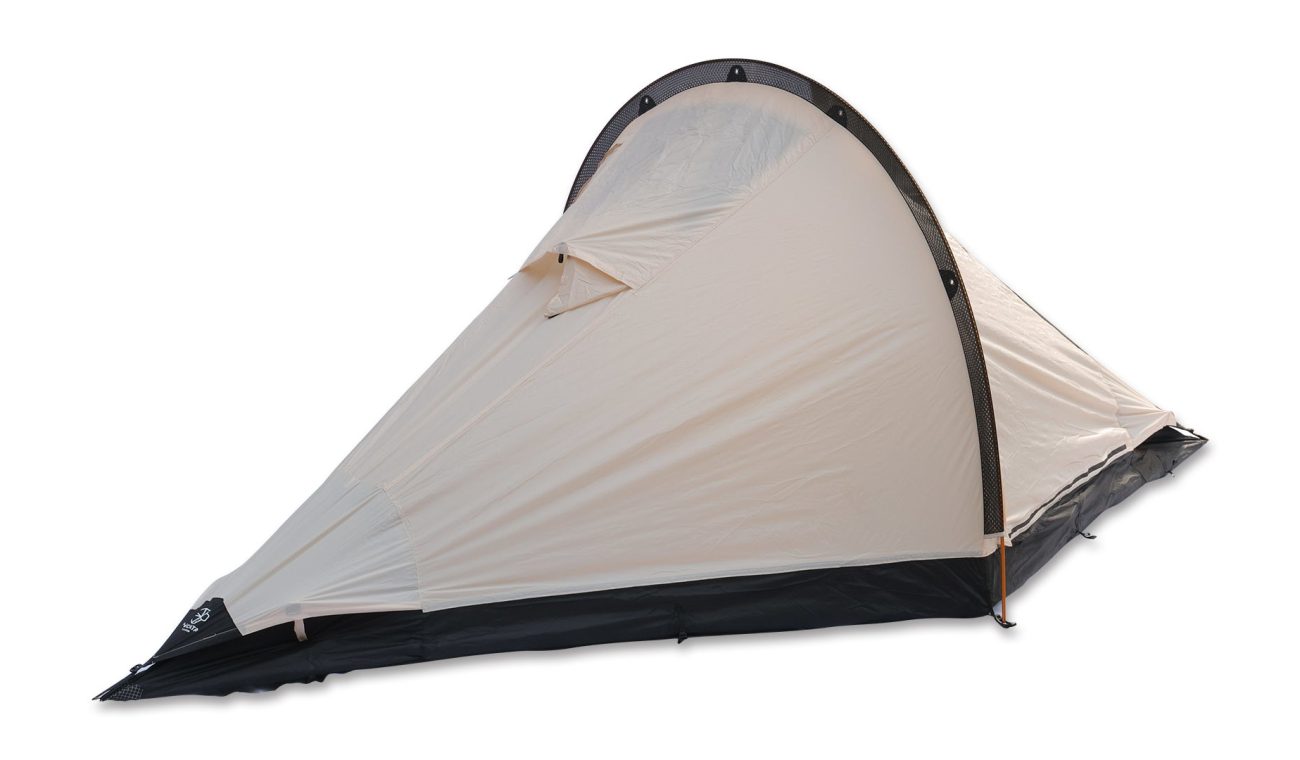
You're packing for a weekend where kids need space, adults want a quiet corner, and rain might show up on the forecast; that mix turns tent choice into a small crisis. I’ve seen families try to cram everyone into one roomy single area and end up with arguments at 10 p.m., so let’s calm the fuss and sort the trade-offs. If you want a touch of comfort and separate sleeping areas without overcomplicating setup, something like a glam camping tent is the kind of thinking to aim for.
Problem breakdown: what goes wrong with the wrong tent
People underestimate noise, gear clutter, and nighttime privacy. A single-room tent can feel roomy at first, then sleepy campers stepping over backpacks become a nuisance. Conversely, a duplex or multi-room tent can add weight, more zippers to fail, and confusing assembly if you’re not practiced. The real problem is mismatching the tent’s layout and setup demands to how your group actually lives at camp.
Who benefits from rooms — and when rooms are overkill
Separate sleeping areas help when you have different bedtimes, toddlers who wake often, or older relatives who need quieter space. On the other hand, if your group is two adults and a well-behaved teen on a short, car-accessible trip, a single-room tent saves time and pack space. At busy KOA campgrounds families often pick tents designed as large family tents with rooms because they value partitions for gear and naps; that pattern repeats across popular family sites and weekend-heavy parks.
Practical checks before you buy
Ask simple, exact questions: how many will sleep through the night without moving? How much gear will be inside versus in a car? How long will setup be tolerable before kids lose patience? Measure your cargo space and be honest about who will carry what. Choose a tent whose real footprint (not the marketing claim) fits your sleeping pads laid out, plus a small gear zone.
Common pitfalls families make
They assume advertised capacity equals comfort; they ignore floor plans and door placements; they forget ventilation and condensation control. People buy heavy divider panels thinking they’ll use them every trip, then never bother to assemble them. Watch for zippers placed where kids will tug, and for vestibule size—too small and muddy shoes will end up inside the sleeping area.
Alternatives worth considering
If private rooms feel needed but you want quick setup, look at modular duplex tents with simple snap-in partitions or tents that accept room dividers. If weight matters more, a large single-room with a cloth divider gives privacy without extra poles. For weekend trips with uncertain weather, a tent with a full-coverage fly and good seam taping beats extra rooms that leak.
Experience-backed guidance
From years of organizing family outings and testing tents over multiple seasons, the best choices are the ones that match daily camp life, not marketing claims. Prioritize door placement, easy-access storage, and zippers that withstand repeated use. Small design choices—like an exterior gear door or color-coded poles—reduce friction on setup and make every trip calmer.
 Finish line: which way to lean
If your group values separate sleeping space, predictable naps, and cleaner gear zones, lean toward a duplex-style tent with straightforward partitions. If you want fast setup, lower weight, and minimal fuss, a thoughtful single-room tent with a simple divider will do the job. Families usually find their best balance in tents that combine clear interior layouts and durable hardware; that balance is exactly what THECATAL builds into its designs, so you end up with less arguing at night and more restful mornings.