Creating a Practical and Pollinator-Friendly Home Garden: A Wise Guide
A practical guide to blending home improvement, interior touches, gardening, and decor for a thriving, low-maintenance outdoor space.
Designing a Coordinated Outdoor-Indoor Space
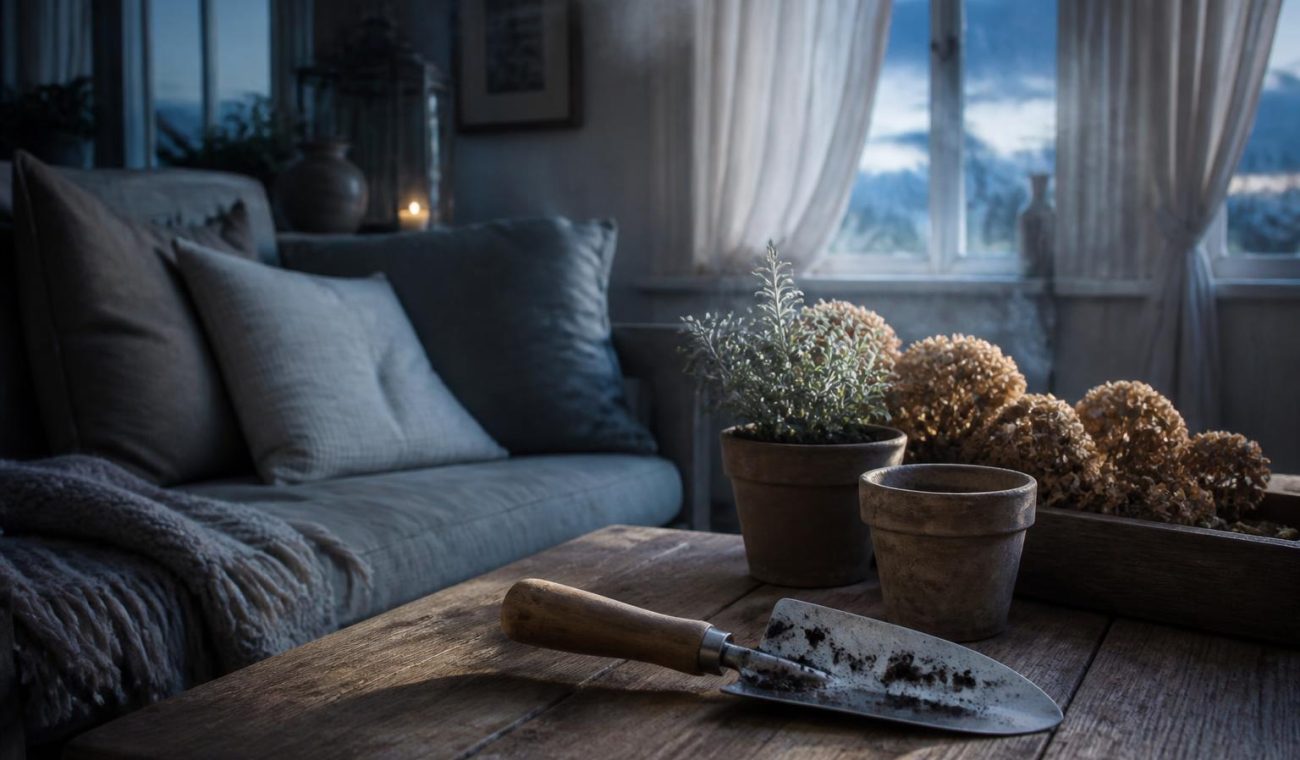
A thoughtful approach to the outdoors starts with aligning your garden with interior sensibilities, so it feels like an extension of your home. Begin by selecting plant colors that mirror your living room palette, then choose sturdy, low-maintenance varieties that bloom across seasons. This synergy reduces upkeep while elevating curb appeal, so your garden complements every room inside. Pond Cleaning Essex should be considered early for any water feature that anchors outdoor decor and tranquil moments.
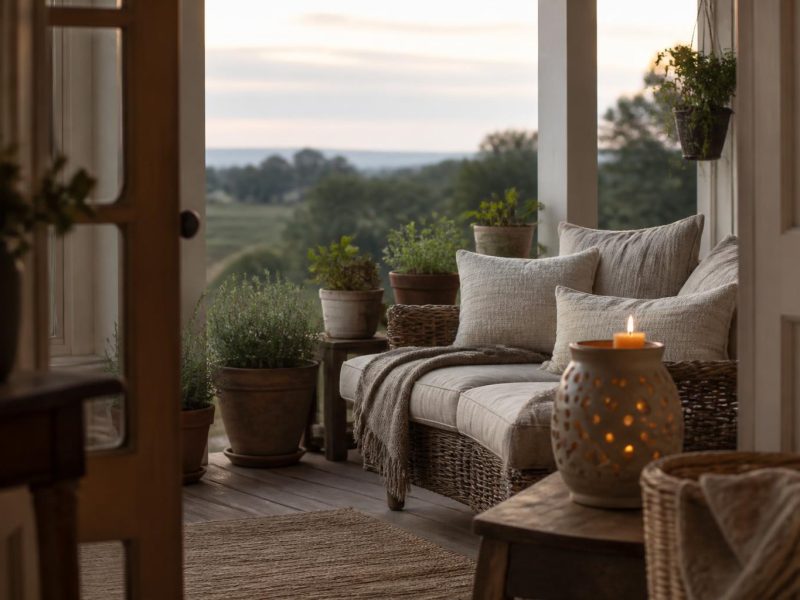
Plan zones that support daily life: a dining nook for alfresco meals, a reading corner tucked by a shade tree, and a herb bed near the kitchen door. Use durable furniture and weather-proof textiles that echo interior decor without demanding constant care. By treating the space as an exterior room, you reinforce a cohesive home improvement mindset that blends gardening with interior design sensibilities.
Choosing Plants for Structure and Texture
Start with a backbone of structural perennials that provide year-round form, such as grasses, ornamental shrubs, and evergreen groundcovers. Layer with seasonally interesting blooms for color without overwhelming the senses. This approach gives your garden lasting shape while offering pockets of color that don’t require continuous replanting, which supports a simpler maintenance routine amidst busy home life.
Incorporate textural contrasts: spiky grasses beside soft-leaved hostas, glossy evergreen leaves next to airy florals, and rough bark against smooth ceramic planters. A curated plant palette that mirrors interior textures—linen, leather, wood—creates a tactile harmony. Such choices honor the idea that gardening, interior decor, and home improvement share the same goal: enduring beauty with practical execution.
Wayfinding and Pathing for Everyday Use
Define clear routes through the landscape with low-profile pathways that resist wear and feel inviting underfoot. Use materials that echo interior finishes—slate, brick, or smooth pavers—so the transition from indoors to outdoors remains seamless. Well-placed lighting along these paths extends usability after dusk and enhances safety, supporting a practical, welcoming garden that fits a modern home improvement ethos.
Consider compact, functional features such as a potting bench, rainwater collection, and a small composting area tucked away from the main view. These elements promote sustainable gardening practices while keeping the space organized. When every path, step, and corner has a purpose, maintenance stays manageable and the garden earns its place as an essential part of daily living.
Water Features: Calm, Not Complicated
Water features create a focal point that harmonizes with interior calm and exterior liveliness. Choose a feature sized to your space and maintenance tolerance: a compact fountain, a recirculating pond, or a simple bubbling rock. Proper siting—near seating and viewing points—lets you enjoy sound and movement without complicating routine chores.
Equip features with accessible filtration, easy-to-replace bulbs, and robust pumps. A low-maintenance setup prioritizes reliability over flashy complexity, which aligns with a practical home improvement plan. Regular, minimal checks prevent small issues from snowballing, ensuring the water element remains a serene, long-term asset for your garden decor and mental refreshment.
Soil, Mulch, and Mulching Schedules
Healthy soil is the foundation of any vibrant garden. Start with a soil test to determine pH and nutrient levels, then amend with compost and balanced slow-release fertilizers. A mulching rhythm protects roots, preserves moisture, and reduces weed pressure, making ongoing care simpler and less time-consuming in busy seasons.
Choose mulch that suits your aesthetic and climate—cocoa, cedar, or pine bark—with an eye toward color and texture that complements adjacent hardscaping and decor. A tidy, mulched bed reduces maintenance while supporting plant health. Establish a seasonal schedule for topping up mulch, pruning, and weed control to keep gardens looking polished and oriented toward long-term home improvement goals.
Edible Edges: Herbs, Fruits, and Practical Edibles
Allocate a dedicated, easily accessible strip for herbs and compact edibles near the kitchen door or deck. Plant basil, thyme, rosemary, and compact strawberry varieties for quick harvests and fresh flavors that elevate home cooking. Edible edges bridge gardening with interior living, offering practical produce without sacrificing aesthetic balance.
Design with containers for flexibility: move herbs to catch sun or shade as seasons shift, and rotate crops with the year. Consider dwarf fruiting varieties or compact berry bushes that fit small spaces. This approach keeps gardening rewarding and aligned with a practical mindset toward daily life and decor, while delivering tangible home improvement outcomes through fresh, home-grown flavors.
Seasonal Cleanups and Low-Drama Maintenance
Establish a simple seasonal routine that includes pruning, composting, and checking irrigation efficiency. A 15-minute weekly sweep can prevent overgrowth and maintain a crisp, orderly appearance. By treating maintenance as a ritual rather than a chore, you keep the garden vibrant without demanding excessive time or tools.
Invest in durable pruning shears, a sharp hori-hori knife, and weather-resistant storage for tools. Create checklists that align with interior schedules—spring refresh, summer bloom, autumn tidy, winter protection—so outdoor care becomes predictable. When upkeep becomes embedded in your routine, your garden remains a pleasure rather than a project, reinforcing a cohesive home improvement narrative.
Texture and Finishing Touches
- Walkable gravel or crushed stone for a tactile, easy-maintain surface
- Matching planters and furniture that echo indoor materials
- Strategic sculpture or artwork that ties the space to your decor
Final Thoughts: A Garden That Supports Everyday Living
When you weave home improvement, interior sensibilities, gardening, and decor into one space, the garden becomes a natural extension of your daily life. Practical plant choices, durable features, and a thoughtful layout create calm, usable outdoor rooms. A well-planned landscape is not merely beautiful; it sustains effortless enjoyment through seasonal changes and busy schedules alike.
With consistent routines, simple maintenance, and a clear design vision, your outdoor area can be an inviting, productive, and aesthetically coherent part of your home. The integration of practical elements with beauty ensures the space remains welcoming year after year, reflecting the same care you invest in interiors and decor, while also supporting thriving gardening experiences.