Caring for a Balanced Garden Pond: Plants, Maintenance, and Practical Tips
A practical guide to balancing a garden pond with British pond plants, water lilies, and marginal plants for a healthy, wildlife-friendly water feature.
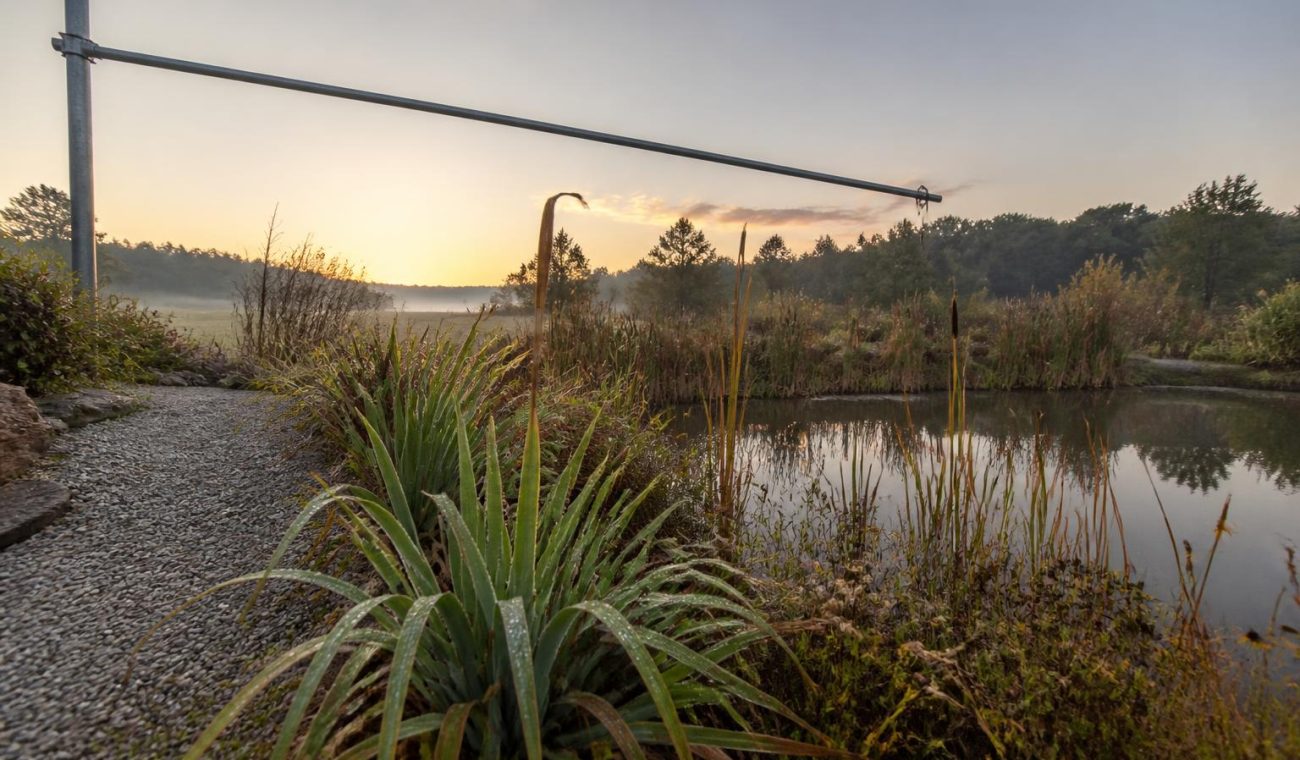
Opening balance: planning your pond planting and maintenance
A well-planned pond turns a garden into a serene micro-wilderness, where water, plants, and wildlife coexist in a gentle rhythm. Start by assessing light, depth, and seasonal shifts to determine which pond plant species will thrive. For many homes, a few key choices—such as water lilies for surface shading and marginal pond plants for riverbank framing—create structure while supporting wildlife. Pond Cleaning Essex offers services that help keep this balance visible year-round, especially during growth peaks and leaf fall.
In the borderless world of a garden pond, consistent maintenance is essential, not an afterthought. Begin with a water depth that accommodates both hardy and tropical varieties and plan for seasonal pruning. Consider the ecosystem benefits of british pond plants that are well-suited to local climates, and map where each plant family will live—from floating water lilies to submerged oxygenators and a margin strip of koi-safe grasses.
The backbone of a healthy pond: water lilies and oxygenators
Water lilies anchor the pond’s surface with broad, glossy leaves that shade the water and help regulate temperature, while their flowers offer a splash of color that changes through the seasons. Choose a mix of hardy and tropical varieties to extend interest, and pair them with oxygenating plants that keep the water clear by feeding beneficial bacteria. Regularly clear spent blooms to reduce nutrient buildup and maintain crisp water quality.
Pair water lilies with submerged oxygenators such as hornwort or elodea that release oxygen during the day. These plants work quietly beneath the surface, supporting fish and invertebrates while reducing algae blooms. A thoughtful blend of plants balances shade, nutrient use, and open swimming space for wildlife, producing a pond that feels both calm and alive.
Designing with british pond plants for resilience and native habitat
British pond plants bring climate resilience and local habitat value, making it easier to sustain a thriving water feature without excessive intervention. Marginal pond plants line the water’s edge, providing shelter for insects and creating a natural, waterlogged boundary that discourages weeds. When selecting species, prioritize varieties that tolerate our seasonal rains and cool starts, and group them by depth preference to simplify maintenance.
Incorporate a diverse mix of foliage textures and heights to create visual interest and shelter for wildlife. A layered approach—short marginals near the bank, mid-height plants in the middle, and floating or emergent species above—helps stabilize shorelines and reduces shingle washing. The result is a pond that mirrors a tiny, functional ecosystem within a garden setting.
Seasonal rhythm: timing pruning, cleaning, and replanting
Seasonal rhythm is the heartbeat of a healthy pond. In spring, re-pot and divide crowded clumps of marginal plants to prevent root competition and encourage new growth. Summer demands vigilance against excess algae, which can be curbed by proper shading and balanced nutrient input. Autumn brings leaf clearance and subtle replanting to prepare for the harsher months ahead, ensuring a robust return in spring.
During winter, check the structural integrity of liners and banks, and ensure plant crowns are not exposed to freezing conditions. A gentle slow pace in colder periods helps regulate the pond’s ecosystem, preserving beneficial bacteria and allowing aquatic life to endure. By following a measured yearly pattern, the pond remains an anchor of stability through shifting weather and plant cycles.
Maintenance routines that stay practical and unobtrusive
Simple routines keep a pond healthy without becoming a burden. Use a net to remove debris on a weekly basis during autumn and spring cleanup periods, and perform modest water changes to dilute accumulated nutrients. If you notice stagnation, introduce a gentle aeration method or a small fountain to circulate water and improve oxygen levels for pond life.
Regularly inspect plants for signs of disease or nutrient imbalance, and prune away any dead material from water lilies or marginal plants. Keep an eye on pond edges for erosion or invasive growth, and address it early with careful replanting and root pruning. A steady, low-stress maintenance approach yields clearer water and a more inviting habitat for local wildlife.
Creative planting schemes: texture, color, and wildlife value
Thoughtful planting schemes emphasize texture and color across seasons. Combine glossy leaves of water lilies with the feathered fronds of marginal plants to create contrast and depth. Introduce a few bold colors through seasonal flowering varieties, while ensuring that all selections maintain a balance between shade and sun exposure to avoid excessive algae growth.
Texture can be enhanced by mixing fine-leaved marginals with broad-leaved varieties, giving the pond a sculptural quality. Include plants that attract pollinators and provide shelter for small amphibians and invertebrates. A well-considered palette of british pond plants fosters a thriving, low-maintenance ecosystem that remains visually appealing from dawn to dusk.
Troubleshooting common challenges without overhauling the pond
Algae blooms are a frequent concern, often driven by excess nutrients and sunlight. Mitigate these issues by maintaining plant density to outcompete algae, ensuring adequate shading, and avoiding overfeeding fish. If blooms persist, test water for nitrates and phosphates, then adjust with targeted plantings or light competition rather than drastic chemical intervention.
Another common issue is plant crowding, which stifles growth and reduces oxygenation. Regularly divide and rehome crowded clumps of marginal and water lilies, and prune back older growth to rejuvenate vigor. A proactive approach prevents stagnation and keeps the pond visually balanced and biologically healthy.