When Fumes Fight Back: Solving Laser Engraver Air Problems with Smarter Extractors
Introduction
I once watched a small shop owner wave away a plume of smoke as if it were nothing — and I remember thinking, that’s asking for trouble. In many studios today, a laser engraver fume extractor is an afterthought, yet recent studies show indoor air from hobby laser cutters can spike VOCs and ultrafine particles by 5–10x during a single run (not kidding). So what can we do when smoke, smell, and tiny particles keep ruining finishes, tools, and health? — this article digs into that question and points toward practical fixes.
Where Traditional Extractors Fall Short
best fume extractor for laser engraver—let me be blunt: most past solutions assume one-size-fits-all. Classic bench fans, cheap inline blowers, and simple range-hood setups often rely on raw suction power alone. They lack proper HEPA filter stages, activated carbon to capture VOCs, or decent airflow rate control. We see poor filtration efficiency and uneven capture across the extraction hood; the fumes escape at the edges. I’ve tested setups where suction power was high but filtration was basically cosmetic. Look, it’s simpler than you think: moving air isn’t the same as cleaning air.
Why does that happen?
Two big flaws keep popping up. First, designers underestimate source capture geometry — the extraction hood and nozzle are treated as an afterthought, so smoke curls around them. Second, filtration stages are mismatched: a pre-filter removes dust, but no activated carbon stage addresses gases. That leaves users breathing VOCs even with a fan running. I’ve seen shops replace a filter annually, yet still complain about odors. Those are hidden user pain points: noise, maintenance, and false security. You buy a blower and feel safe, but the air sensor tells a different story. — funny how that works, right?
 New Principles: How Smarter Extractors Change the Game
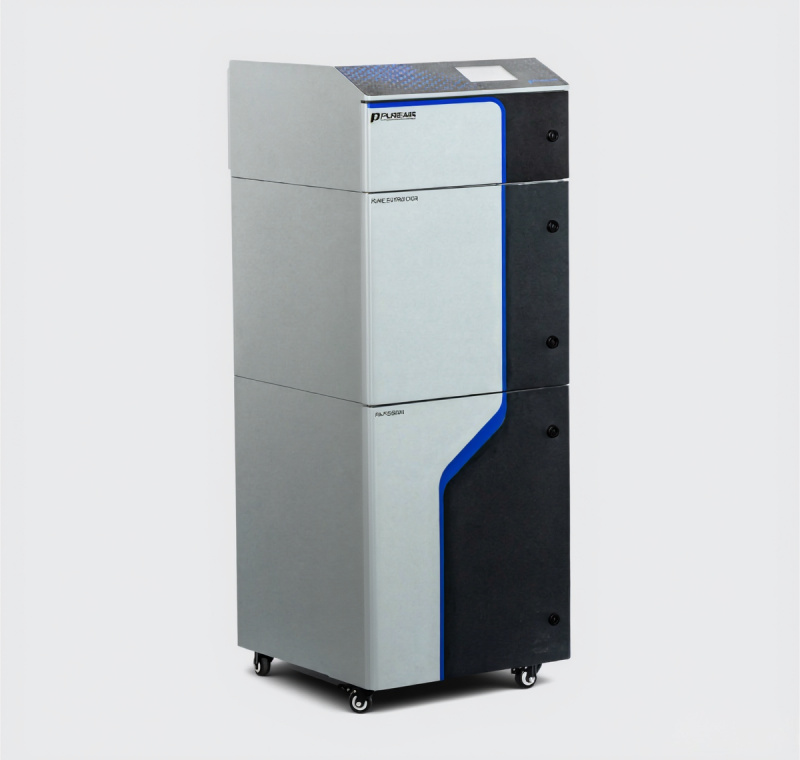
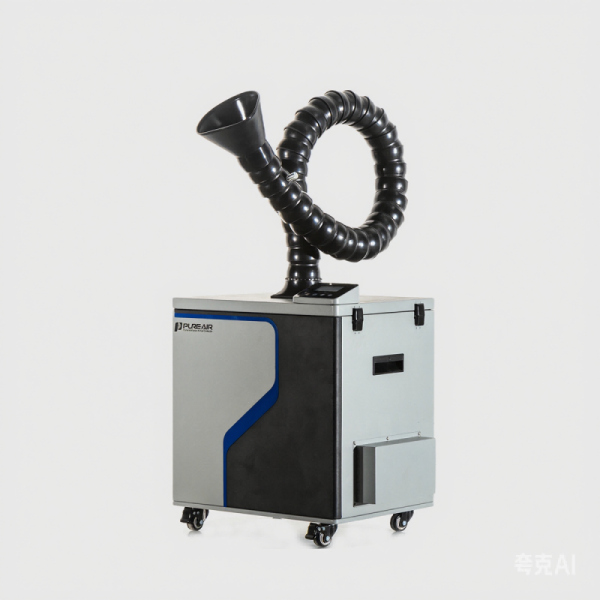
Now let’s look ahead. Modern fume extractors move beyond brute force. They combine multiple principles: staged filtration (HEPA + activated carbon), tailored airflow mapping, and smarter control—sometimes even edge computing nodes to balance performance in real time. When I inspect a unit, I check filtration efficiency, modular filter design, and how well the extraction hood seals to the source. These are technical ideas, but they boil down to two goals: capture at the source and neutralize both particles and gas.
What’s next for workshops?
Expect integrated sensors and smarter controllers that adjust suction power and filter life estimates. That means less guesswork on maintenance and fewer surprise odors. In practical terms, a next-gen best fume extractor for laser engraver will log runtime, show when activated carbon is saturated, and throttle airflow to balance noise and capture. I’m excited about that because small shops finally get professional-level protection without the complexity. And yes, it can save money over time — quieter runs, fewer filter swaps, and less downtime.
Closing: How to Choose — three clear metrics
I’ll wrap up with three quick, honest metrics I always use when evaluating extractors. First, capture performance: does the extraction hood create a consistent inward airflow at the laser head? Second, filtration completeness: is there a true HEPA stage plus activated carbon for VOCs and gases? Third, operational transparency: are there indicators for airflow rate, filter saturation, and noise level? Test those, and you’ll avoid gimmicks and half-measures. Also, check for decent build quality — cheap power converters and flimsy housings mean more trouble down the line. If you want an option that fits those standards, I’ve spent time with models that meet them, and I recommend looking into brands that back performance with data. PURE-AIR