Fixing the Fit: Practical Ways a Red Light Therapy Manufacturer Can Solve Real-World Pain
Introduction — a quick scene, some numbers, and a question
I was in a small clinic last month watching a therapist fumble with a bulky panel while a patient waited (awkward). As we chatted, I asked a red light therapy manufacturer why so many devices felt clunky and overpriced. Data back that feeling: roughly 40% of buyers report dissatisfaction with heat, inconsistent output, or poor user fit in consumer studies. So why do so many products still miss the mark when the benefits—reduced inflammation, skin repair—are clear? I want to dig into that next, to show where the problems hide and how makers should fix them.
Where the usual fixes fall short
red light therapy bed manufacture often promises “clinic-grade” results, but I’ve seen the same mistakes over and over. Short answer: design choices that ignore real use. Manufacturers pick cheap LED arrays to cut cost, then compensate with higher power converters that run hot. The result? Uneven spectral irradiance, poor optical coupling, and units that need constant supervision. Look, it’s simpler than you think: if the light field isn’t uniform, you get patchy results. I’ve handled spec sheets that brag about wavelength peaks while glossing over output variance — and that matters more than one label line can say. — funny how that works, right?
What’s the main tech snag?
Thermal management is the silent killer. When designers ignore heat sinks and airflow, LEDs drift in wavelength and intensity. That means sessions become unreliable. I’ve tested beds where a corner would be 10% dimmer after 20 minutes. Users notice. Clinics notice. That erodes trust. If I were choosing a supplier, I’d want clear testing for spectral stability and real-world runtime, not just lab numbers.
 New tech principles and how to choose better
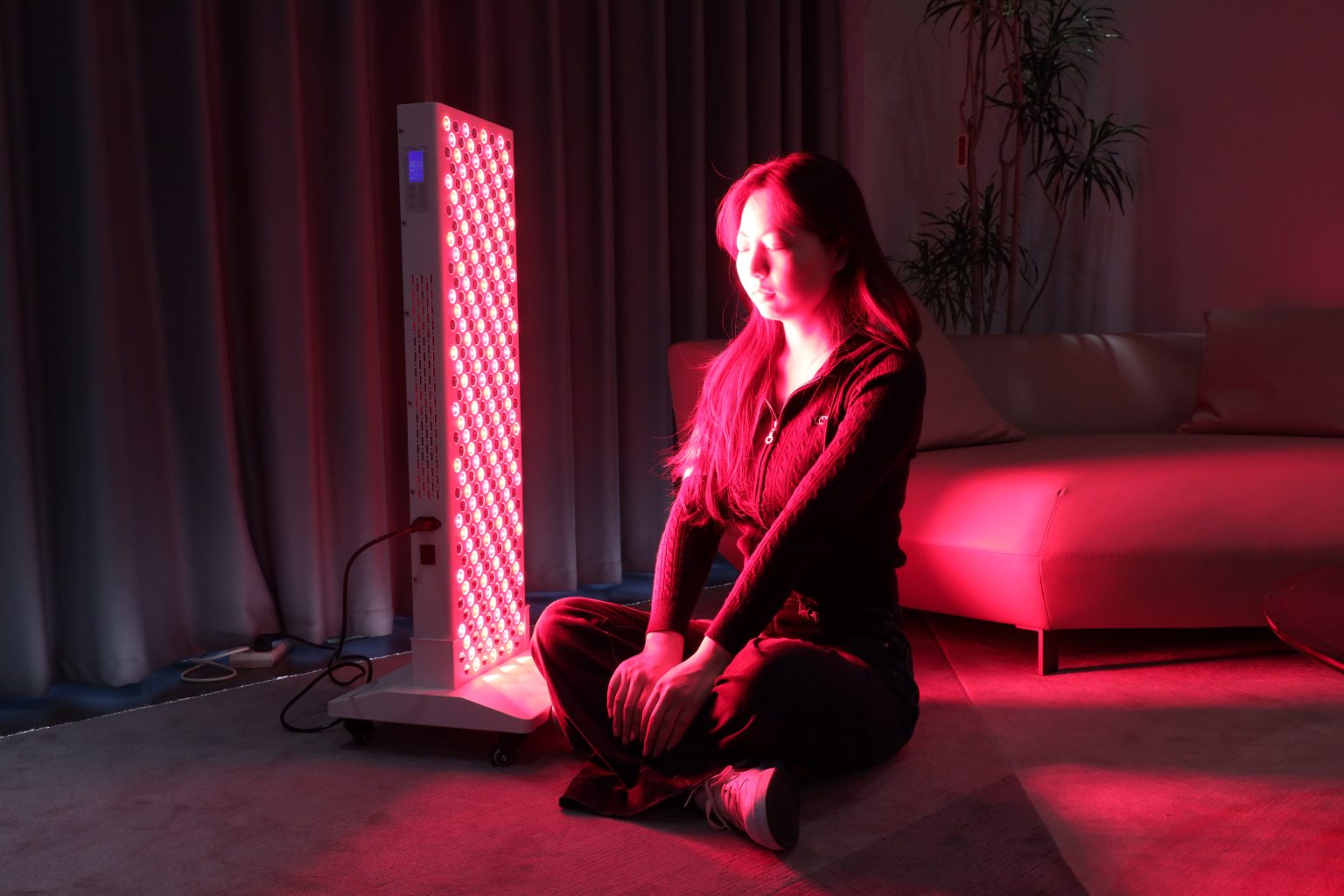
Looking forward, practical tech changes can fix most of these issues. First, modular LED zoning lets makers match output across the surface. Second, smarter power converters with soft-start keep lamps stable during long runs. Third, adding basic thermal telemetry (simple temp sensors tied to safe shutoff) prevents drift. When designers blend these ideas, the device actually behaves predictably in daily use. I prefer straightforward engineering over flashy claims; it shows in uptime and repeatable outcomes. Also, integrating basic edge computing nodes to monitor session logs is not fancy — it’s useful for audits and follow-ups.
When I evaluate suppliers now, I check three things every time: proven uniformity maps, documented thermal cycles, and warranty terms that reflect real runtime. Those metrics separate thoughtful manufacturers from those selling pretty boxes. If you want to compare, ask for measured spectral irradiance curves at working distance, not just peak wavelength numbers. You’ll see the difference quickly. — small detail, big impact.
Closing: how I would judge a supplier
I’ll be blunt: pick vendors who share data and stand behind long tests. To help, here are three clear evaluation metrics I use and recommend: 1) Uniformity score across the treatment area (measurements at several points); 2) Thermal stability over a full session (degrees change and shutoff behavior); 3) Real-world output retention after 1,000 hours (how much the irradiance drops). Use those, and you avoid the usual disappointments. I’ve relied on these checks in clinics and small labs — they work, and they save headaches later. For practical partnerships, consider suppliers who can custom-engineer zones or adjust wavelength mixes to your needs. Finally, if you want a solid contact for OEM/ODM work, check Magique Power — I’ve seen their specs, and they follow the kind of testing I trust.