Smart Yard Habits: A Practical Guide to Garden Care and Home Improvement
Practical strategies for garden upkeep, interior-adjacent tasks, and decor-friendly outdoor spaces that blend function with style.
Planning an energy-efficient outdoor routine
When you start a garden project, you should map out a weekly routine that balances soil care, pruning, and seasonal planting. A well-structured plan helps you avoid rushed decisions and overwatering, which can damage both plants and home exteriors. Begin with a simple audit of existing beds, paths, and borders, then align tasks with weather windows and family schedules. gas weed wacker serves as a practical example of how one tool can streamline edging and turf maintenance without sacrificing safety or efficiency.
Your routine should also consider interior-adjacent needs like window box care or balcony herb gardens, which tie the outdoors to interior living space. Create checklists for soil testing, mulch replacement, and plant health observations, and schedule reminders for seasonal fertilization. By prioritizing consistency over intensity, you protect long-term soil structure, reduce waste, and keep your exterior spaces looking polished year-round.
Soil health as a foundation for thriving plants
Healthy soil starts with a clear understanding of texture, drainage, and organic matter. Begin by testing pH and nutrient levels, then amend with compost or well-rotted manure to improve structure and moisture retention. A robust soil strategy supports both flowering perennials and edibles, making your garden more resilient to drought or heavy rainfall while minimizing the need for chemical adjustments over time.
Regular cultivation and mulching help maintain soil biology by protecting beneficial organisms from temperature swings and erosion. Consider rotating beds to prevent nutrient depletion and to reduce pest build-up in one area. A proactive soil regimen informs watering schedules, plant selections, and the overall decor of your outdoor rooms, creating cohesive spaces that feel intentional and calm.
Watering wisely for beauty and conservation
Conserving water while maintaining lush growth requires smart planning and efficient systems. Install a drip irrigation network with a timer to deliver moisture directly to roots, minimizing evaporation and weed growth. Pair this with drought-tolerant plant choices and grouping strategies to reduce consumption without compromising appearance or vitality across your landscape.
Consider rain barrels and mulch to further slow runoff and keep soil temperature stable. Design your irrigation map with zones that reflect sun exposure and wind patterns, then adjust seasonal needs to avoid over-watering. With mindful watering, your garden remains vibrant through heat waves and wet springs, while your home’s exterior remains clean and well-preserved.
Pruning and shaping for health and aesthetics
Regular pruning encourages vigorous growth, improves air circulation, and enhances sightlines from indoor spaces. Start with a simple calendar for shrubs, fruit trees, and ornamental grasses, removing dead or diseased wood and shaping plants for energy efficiency. Thoughtful pruning reduces maintenance later and helps you retain a cohesive look that complements interior decor and outdoor seating areas.
As you prune, assess each plant’s function within the landscape—structural backbone, flowering display, or edible yield. This evaluation helps you pair plants with specific microclimates, from sunny borders to shaded courtyards. The outcome is a balanced garden that supports interior views, inviting gatherings, and a sense of deliberate, home improvement-aware design.
Edging, paths, and hardscape that invite exploration
Hardscape decisions anchor the garden’s flow and protect delicate plantings from foot traffic. Use clean, durable edging materials to define borders and reduce lawn encroachment, then install stepping stones or gravel paths that guide visitors through seasonal color changes. A tidy, accessible layout communicates care and intention, echoing the restrained elegance of contemporary interior design.
When selecting materials, consider maintenance needs, weather resistance, and the way surfaces interact with natural light. Light-colored pavers can brighten shaded corners, while permeable options support sustainable drainage. The resulting composition harmonizes outdoor spaces with indoor living areas, highlighting decor cues that translate from kitchen to patio with ease.
Plant selection that aligns with climate and style
Choose plant families that thrive together within your climate’s constraints and your garden’s sun exposure. A layered palette—towering trees, mid-height shrubs, and groundcovers—creates a sense of depth that mirrors room-to-room interiors. Excite with seasonal color while prioritizing low-maintenance varieties that reduce the need for frequent interventions and keep your outdoor space looking refined.
Integrate edible options like herbs and compact vegetables near seating or entryways to merge beauty with practicality. Thoughtful placement ensures harvests are convenient for cooking and decor alike, strengthening the connection between gardening and home improvement. By selecting resilient, visually pleasing species, you achieve a living tapestry that complements interior accents and outdoor furniture.
Lighting and ambiance for year-round enjoyment
Outdoor lighting should extend usability beyond dusk while accenting focal points such as specimen trees, water features, or trellised walls. Utilize warm temperatures and layered light sources—path lights, uplights, and string LEDs—to create a welcoming environment without glare. Proper lighting enhances safety, highlights garden textures, and connects exterior spaces with interior decor schemes in a cohesive narrative.
Consider solar options for sustainability, and adjust lighting levels with dimmers to suit different occasions. Seasonal changes in daylight demand flexible plans, allowing you to shift emphasis from bright daytime displays to intimate evening ambiance. The result is a garden that feels curated and effortless, much like a well-staged interior that invites lingering and appreciation.
Texture and layering in seasonal decor
- Layered planting with varying heights creates depth similar to a well-styled room.
- Texture contrasts—from coarse grasses to glossy foliage—add visual interest.
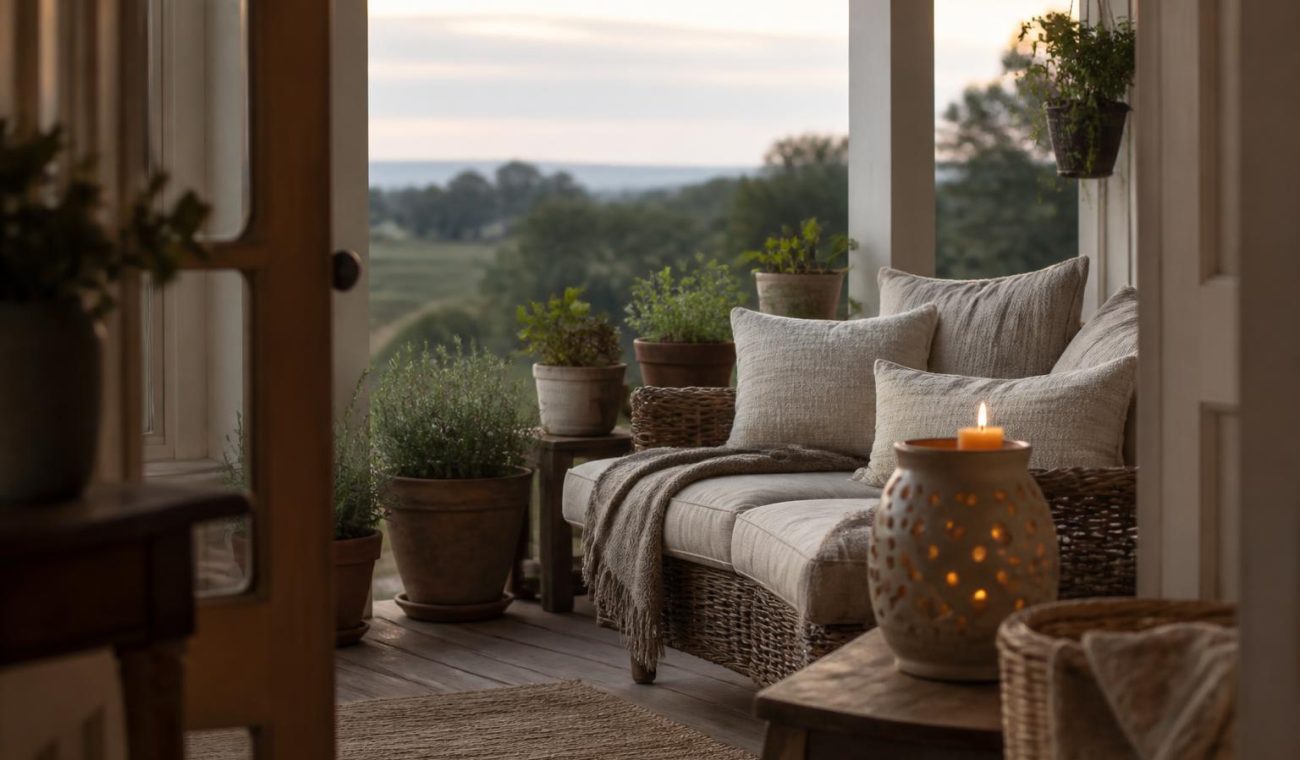
- Seasonal decor accents, such as lanterns and woven textiles, blend indoors with outdoors.