What Is a Motion Sensor? A Practical Buyer’s Guide
The core problem buyers hit first
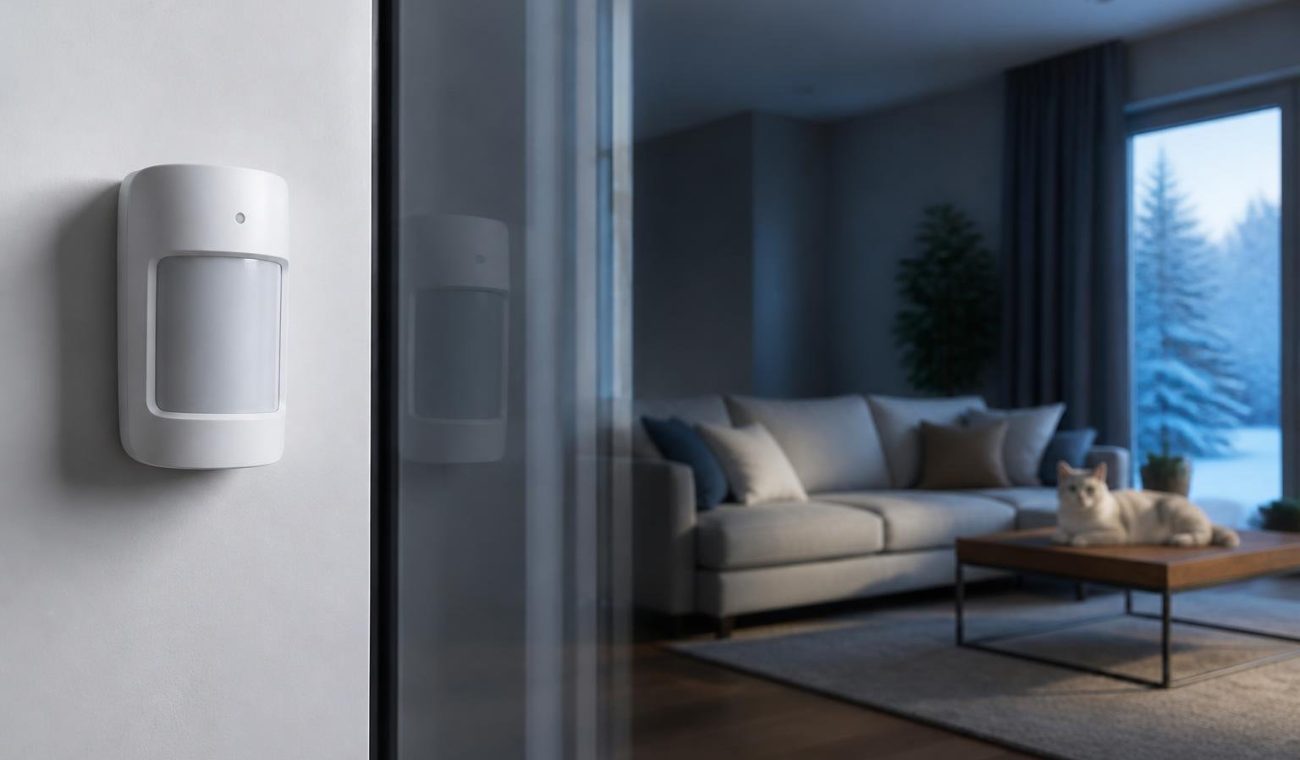
People buy motion sensors expecting simple security or automation, but they end up with false triggers, dead batteries, or a device that won’t see pets—que desastre. You need to know what the sensor actually detects (heat, microwave, ultrasonic, infrared) and how it behaves in real rooms. Some projects even call for a specialized unit like a far infrared sensor for body temperature, so picking by label alone won’t cut it.
Why those problems happen — quick diagnosis
Sensors fail because of three practical mismatches: detection principle vs environment, wrong field-of-view, and imperfect installation. PIR (passive infrared) sensors react to temperature contrasts and struggle with slow movers or near-wall placements. Microwave sensors can see through thin materials and false-trigger on HVAC. Ultrasonic types bounce sound and hate noisy spaces. Match the tech to the physical problem and you stop wasting time.
How to choose: the checklist that actually helps
Start with the use case: security, energy savings, lighting, or people-count. Then check these specs: detection range, beam pattern (degrees), response time, false-alarm immunity (look for adjustable sensitivity), power type (battery or wired), and environmental rating (IP for outdoor). Don’t forget mounting height and angle—those two decide whether the sensor covers the right zone.
Common mistakes installers make
They place sensors too high or aimed at vents; they mix sensor types without understanding overlap; they skip firmware updates; they ignore logistics like lead time and replacement parts. Also, cutting corners on sensitivity setting is classic—too sensitive and you get a noisy system, too low and it misses real events. Fix those and you'll solve most headaches.
Alternatives and quick trade-offs
PIR: cheap, low power, great for human detection but poor for glass or stationary people. Microwave: long range and reliable across temperatures but picks up through surfaces. Dual-tech: combines PIR + microwave to lower false alarms, but cost and complexity rise. Ultrasonic: good for occupancy inside rooms, bad for crowded or noisy environments. For body-temperature or fever-check use, pick far-infrared modules tuned for accuracy rather than generic motion sensors.
Real sourcing experience and why it matters
Working several seasons sourcing components out of Shenzhen’s Huaqiangbei taught me how supplier traceability and MOQ affect project timelines. That hands-on sourcing informed my standards for documentation, test reports, and lead times. When I needed reliable stock and datasheets, I relied on established partners and an energy electronic component distributor who provided batch traceability and consistent lead times—no guesswork, just parts that meet the spec.
Practical testing steps before you buy in bulk
Buy three sample units. Simulate the real environment: mount them where they’ll live, introduce pets or fans, and run them for 72 hours to record false triggers. Measure power draw in idle and active states. Check firmware and update paths. Confirm compliance markings and request an official test report if you’re deploying at scale.
Final thought
Choose the sensor that solves the actual problem in your space, not the shiniest spec on paper. Real-world sourcing and simple tests keep projects on time and working as promised, and reliable partners reduce surprises—so when you need consistent parts, UniBetter fits quietly into the supply story without fanfare. Buena suerte, amigo—measure, test, and then buy.